 Save Pin
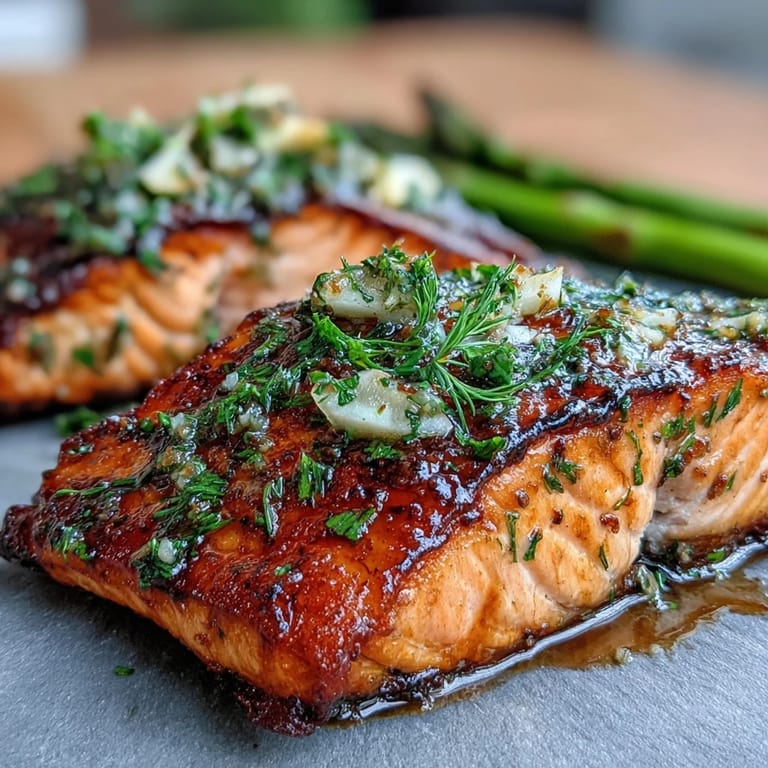
 The sharp perfume of lemon hits first, swirling through the kitchen and mingling with the grassy scent of fresh dill. That’s the signal for dinner to begin–this one pan salmon has a way of turning a regular weeknight into something just a bit special. The sizzling as the tray slides into the oven never fails to make my shoulders drop with relief after a hurried workday. There’s no secret family origin here, just the simple joy of discovery: one tray, a splash of citrus, and vibrant green asparagus all making cleanup a delight rather than a chore. If anything ever convinced me that quick meals could feel restaurant-worthy, it’s this recipe.
Last spring, I made this dish when a friend texted, ‘Surprise, can I crash for dinner?’ While we chatted about all things mundane, I tossed asparagus around the salmon and slid the tray in the oven—barely missing a beat in the conversation. It wasn’t until I caught them scooping the last bit of juice with crusty bread that I realized I’d stumbled onto something worth repeating.
Ingredients
- Salmon fillet (skin-on, pin bones removed): Look for fresh, firm salmon so each slice stays moist; running tweezers along the grain helps catch any stray bones you missed.
- Olive oil: Two types—one generous drizzle for the marinade, then an extra to coat the veggies so nothing dries out while roasting.
- Sea salt & freshly ground black pepper: Season boldly and scatter some over the asparagus for flavor in every bite.
- Garlic (minced): Mellowed by roasting, it clings to the fish for subtle depth you’ll miss if you skip.
- Lemon (zest & juice): The zest perfumes the fillet while the juice keeps everything bright; don’t be shy about zesting nearly to the pith.
- Fresh dill (plus extra): Chopped finely and layered at the end for a burst of fresh green—parsley works too but dill’s fragrance really sings here.
- Asparagus (woody ends trimmed): Choose medium stems; too thin and they’ll shrivel, too thick and they’ll need more time—snapping the ends by hand finds the natural breaking point.
- Lemon slices & extra dill (garnish): Lay slices over the fillet for a pretty finish; just before serving scatter more dill so the color and aroma pop.
Tired of Takeout? 🥡
Get 10 meals you can make faster than delivery arrives. Seriously.
One email. No spam. Unsubscribe anytime.
Instructions
- Get Set Up:
- Preheat your oven to 400°F (200°C) and line a baking tray with parchment so nothing sticks and cleanup is a breeze.
- Whisk the Marinade:
- Stir together olive oil, minced garlic, lemon zest and juice, dill, salt, and pepper; take a second to breathe in that zesty aroma.
- Prepare the Salmon:
- Pat the fillet dry and nestle it, skin side down, on the center of the tray—feel free to admire that rich color for a moment.
- Brush and Season:
- Brush the salmon generously with the marinade, getting every nook and cranny for maximum flavor payoff.
- Arrange the Greens:
- Scatter asparagus around the salmon, drizzle with more olive oil, and toss them gently with salt and pepper right on the tray.
- Garnish and Roast:
- Fan lemon slices across the top of the salmon before sliding the tray into the oven—listen for the faint crackle as it starts to cook.
- Bake to Juicy Perfection:
- Roast for 18–20 minutes until the salmon flakes easily and the asparagus is glowing green and crisp-tender.
- Finish and Serve:
- Sprinkle with extra dill and bring the tray straight to table; let everyone serve themselves and soak up that fresh-cooked aroma.
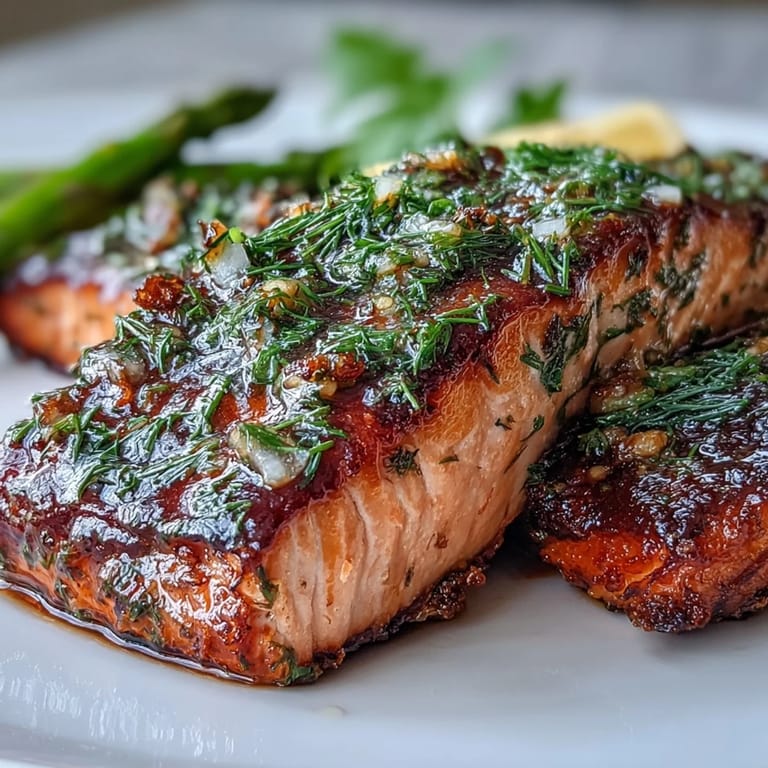 Save Pin
 I’ll never forget the look on my partner’s face after their first bite—blink, pause, then a big smile that needed no words. Somehow, a handful of humble ingredients had managed to make an ordinary night feel celebratory.
What to Serve Alongside
I’ve paired this with everything from buttery roasted potatoes to fluffy quinoa—it adapts brilliantly to what you have on hand. Sometimes just a slice of crusty bread to mop up the sauce does the trick, especially if dinner sneaks up on you faster than planned.
Swaps and Shortcuts I’ve Tried
Don’t have dill? Parsley or tarragon offer their own twist. Cherry tomatoes or a handful of sliced red onions scattered around the tray not only brighten things up but add a sweet pop when roasted alongside.
Bringing It All Together
There’s something quietly reassuring about a recipe that lets you catch up and cook at the same time. That’s become my go-to move when friends arrive unexpectedly or I need to clear my head at the stove.
- If your asparagus is skinny, check them for doneness a bit earlier than the salmon.
- No pastry brush? Use the back of a spoon to spread the marinade.
- Remember: slightly undercooked is better than over, as the fish keeps cooking after coming out.
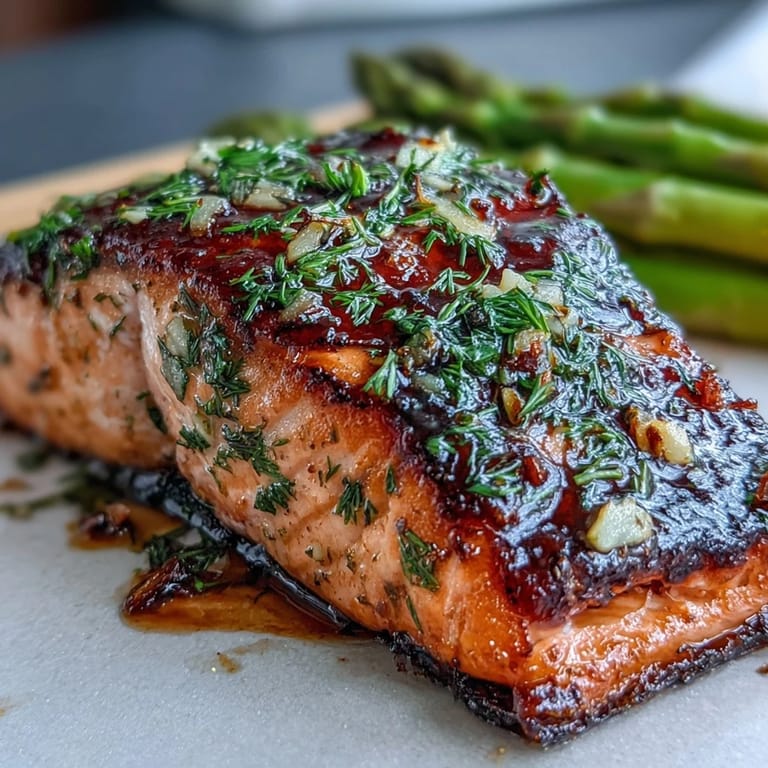 Save Pin
 A tray, a tangle of herbs, and a little citrus—that’s all it takes. Hope this finds its way onto your table, too.
Recipe FAQs
- → How can I tell when the salmon is cooked through?
Check the thickest part: the flesh should opaque and flake easily with a fork but remain moist. Internal temperature about 125–130°F (52–54°C) for medium; carryover heat will finish cooking.
- → Can I use different herbs instead of dill?
Yes. Fresh parsley or tarragon work well for a brighter or anise-noted finish. Add chopped herbs after roasting for the freshest flavor.
- → Should I remove the skin before roasting?
Keep the skin on to protect the flesh during roasting and to help retain moisture. It also crisps slightly and is easy to remove when serving if preferred.
- → What oven tray and lining are best for even cooking?
Use a large rimmed baking tray to allow air circulation and even roasting. Line with parchment or foil for easy cleanup and to prevent sticking; spread ingredients in a single layer.
- → Can I add other vegetables to the tray?
Yes. Cherry tomatoes, thinly sliced red onion, or halved baby potatoes can be added; adjust roasting time so firmer vegetables get a head start or are parboiled to match the salmon’s cook time.
- → How do I adapt this for a thicker or thinner fillet?
Adjust roasting time: thicker fillets need a few extra minutes, thinner fillets less. Aim for the same visual cues—opaque flesh that flakes—rather than strict times alone.