 Save Pin
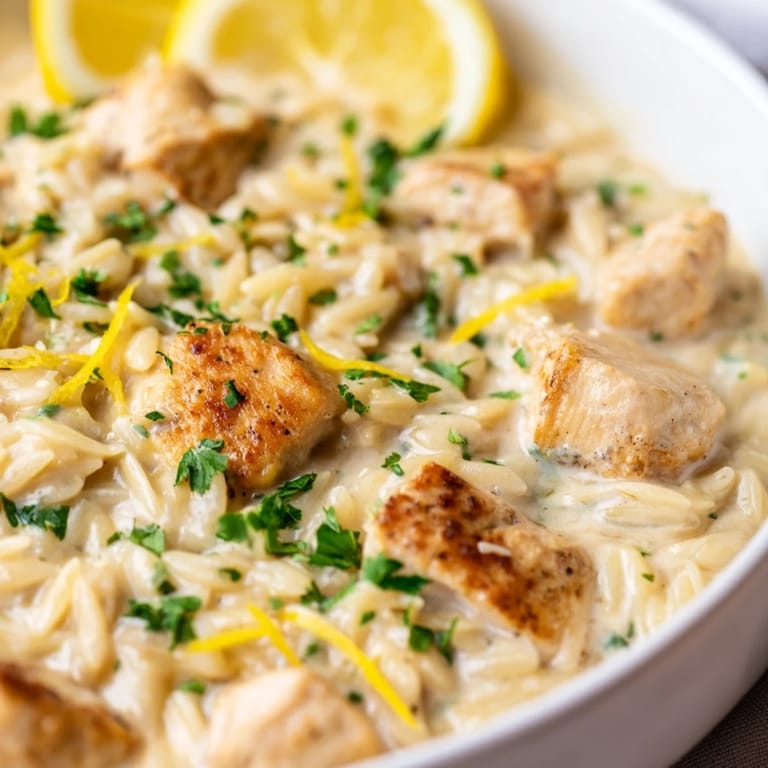
 There's something about the way lemon catches the light in a pan that made me fall for this dish. I was rushing through a Tuesday evening, staring into the fridge at chicken and cream, when the smell of garlic toasting in butter suddenly filled the kitchen and stopped me cold. That single pan became my whole dinner—creamy, bright, and ready in less time than it took to set the table. It's become the meal I reach for when I want something that tastes like I tried much harder than I actually did.
I made this for a friend who had just moved into a place of her own, and she stood at the stove watching the sauce come together like it was the most satisfying thing she'd ever seen. She said it tasted like what she imagined she'd cook once she felt settled, and that stuck with me. Now every time I make it, I think about how food marks those small chapters of our lives.
Ingredients
- Boneless, skinless chicken breasts (2 large, about 500 g), cut into bite-sized pieces: Bite-sized pieces cook fast and evenly, and they nestle into the creamy sauce instead of dominating the plate.
- Salt and freshly ground black pepper: Season the chicken before it hits the pan; it makes a real difference in how it browns and tastes.
- Olive oil (1 tablespoon): Just enough to get the pan hot and give the chicken a golden crust.
- Unsalted butter (1 tablespoon): The base for sautéing aromatics; it won't compete with the lemon.
- Yellow onion (1 small, finely chopped): Onion melts into sweetness and builds the flavor foundation.
- Garlic cloves (3, minced): Three cloves gives you enough garlic presence without overpowering; mince them fine so they disappear into the sauce.
- Orzo pasta (1 cup, 200 g): These small rice-shaped noodles absorb the sauce beautifully and cook right in the pan.
- Low-sodium chicken broth (2 cups, 480 ml): Low-sodium lets the lemon and cream shine without the broth turning salty.
- Heavy cream (½ cup, 120 ml): This is what makes the sauce silky; don't skip it or rush it.
- Lemon zest and juice (1 whole lemon): The zest goes in early to infuse the sauce; the juice goes in when you do, so you taste it bright and alive.
- Dried thyme (½ teaspoon): A whisper of herbs that doesn't announce itself.
- Crushed red pepper flakes (¼ teaspoon, optional): A tiny pinch if you want warmth without heat.
- Grated Parmesan cheese (½ cup, 50 g): Stirred in at the end, it adds richness and a subtle salty note.
- Fresh parsley (2 tablespoons, chopped): The final touch of green that makes it look like you know what you're doing.
- Lemon slices for garnish: A slice on top reminds everyone what makes this special.
Tired of Takeout? 🥡
Get 10 meals you can make faster than delivery arrives. Seriously.
One email. No spam. Unsubscribe anytime.
Instructions
- Season and sear the chicken:
- Pat the chicken pieces dry with a paper towel—this helps them brown instead of steam. Season them well with salt and pepper, then let them sit for a minute while your skillet gets hot over medium-high heat.
- Get the chicken golden:
- Pour in the olive oil and let it shimmer, then add the chicken in a single layer. Don't stir it right away; let it sit for a minute or two so it develops that golden crust. Cook for about five to seven minutes total, stirring occasionally, until it's cooked through and feels firm to the touch. Slide it onto a plate and take a breath.
- Build the base with butter and aromatics:
- Reduce the heat to medium, add the butter to the same pan, and listen for that gentle sizzle. When it froths, add the chopped onion and let it soften, stirring every so often, for about three minutes until it's golden and sweet-smelling.
- Toast the garlic and orzo:
- Add the minced garlic and stir constantly for about thirty seconds until the kitchen smells like a Mediterranean dream. Then add the dry orzo and toast it for a minute or two, stirring so every piece gets coated in the buttery pan. You'll hear it click softly against the pan as it toasts.
- Add the liquid and cream:
- Pour in the chicken broth slowly, scraping the bottom of the pan with your wooden spoon to catch all those golden, flavorful bits. Add the heavy cream, lemon zest, lemon juice, thyme, and red pepper flakes if you're using them. Give everything a good stir and watch for the first gentle bubbles to appear.
- Simmer until the orzo is tender:
- Return the chicken to the pan, then let everything bubble gently without the lid for about ten to twelve minutes, stirring occasionally so the orzo doesn't stick. You'll notice the sauce thickens and the kitchen fills with this bright, herby, lemony aroma. The orzo should be tender and creamy, and most of the liquid should be absorbed.
- Finish with cheese and herbs:
- Stir in the Parmesan and fresh parsley, then taste and adjust the salt and pepper if it needs it. Sometimes a tiny squeeze of extra lemon juice at this point makes everything snap into focus.
- Serve and garnish:
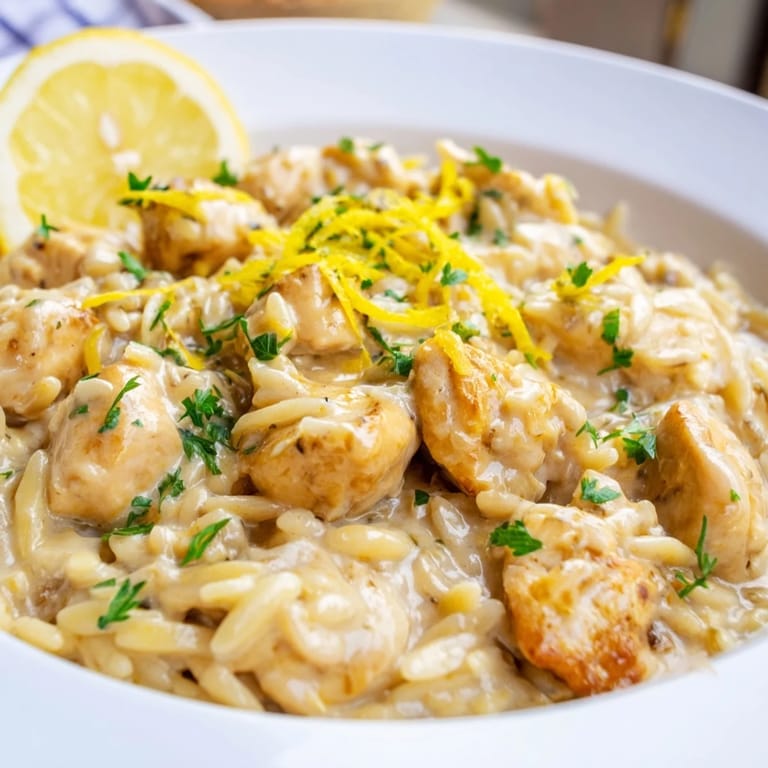
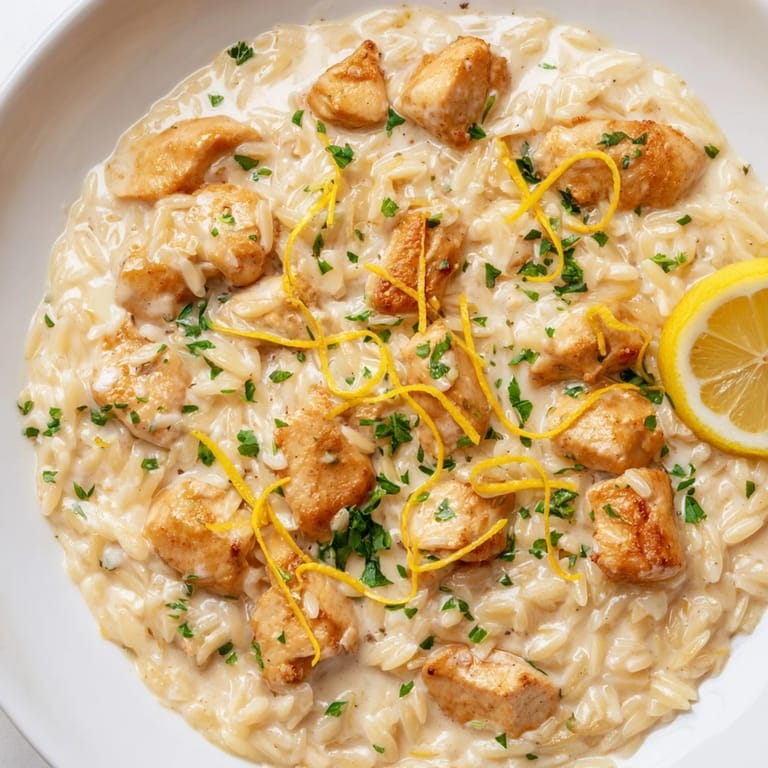
- Divide among bowls or plates, then top each one with a lemon slice and a small pinch of extra parsley. Serve while it's still warm and the cream is still glossy.
 Save Pin
 I once made this for my sister on a day when neither of us was in the mood to cook, and we both ended up lingering at the table longer than usual, just eating slowly and talking. That's when I realized this dish has a quiet generosity to it; it nourishes without demanding your attention, which somehow makes it better to share.
Why This Works as a One-Pan Meal
The genius of cooking everything in one skillet is that you're layering flavors instead of starting fresh each step. The chicken browns and seasons the oil. The aromatics soften in that same oil, picking up all the chicken's golden notes. The orzo toasts and absorbs broth right where the onion and garlic are sitting. By the time the cream goes in, the pan has already built this foundation of flavor that makes the whole thing taste like you've been cooking it for hours. That's also why there's barely a stack of dishes waiting afterward.
Lemon as the Star
Lemon in a creamy sauce is like turning on a light in a dim room. The zest brings an aroma that makes you hungry before you even taste it, and the juice brings brightness that cuts through the richness so every bite feels balanced instead of heavy. I learned this the hard way after making a heavy, dull version years ago, and now I taste the lemon the moment it hits the pan. It's the ingredient that transforms this from a simple weeknight dinner into something you remember.
Serving and Storage
This dish is best served warm and eaten within a couple of hours while the sauce is still silky and the orzo hasn't absorbed too much liquid. If you have leftovers—and you might not—they keep in the refrigerator for about two days, though the sauce will thicken as it sits. You can loosen it with a splash of broth or cream when you reheat it gently on the stove. Some people add fresh spinach or snap peas in the last minute of cooking for color and a vegetable side, or stir in a handful of white beans for more substance.
- Crisp white wine like Pinot Grigio or Sauvignon Blanc pairs beautifully and echoes the lemon.
- A simple green salad cuts through the richness and gives your meal balance.
- Toast some bread to soak up the sauce, which is honestly the best part.
 Save Pin
 This is the kind of meal that disappears quickly and leaves everyone asking for the recipe. There's comfort in how straightforward it is, and magic in how simple ingredients become something that tastes both effortless and special.
Recipe FAQs
- → How do I prevent the chicken from drying out?
Cook the chicken over medium-high heat until golden but still juicy, about 5-7 minutes, and avoid overcooking before combining with the sauce.
- → Can I substitute the heavy cream?
Yes, half-and-half or whole milk can be used for a lighter texture though it may reduce the richness slightly.
- → What is the best way to toast the orzo?
Sauté the orzo in butter with garlic and onion over medium heat until lightly golden to deepen flavor before adding broth.
- → How can I add more vegetables to this dish?
Stir in baby spinach or peas towards the final minutes of cooking to incorporate fresh veggies without altering cooking time extensively.
- → What wine pairs well with this dish?
A crisp Pinot Grigio or Sauvignon Blanc complements the lemony brightness and creamy texture beautifully.