 Save Pin
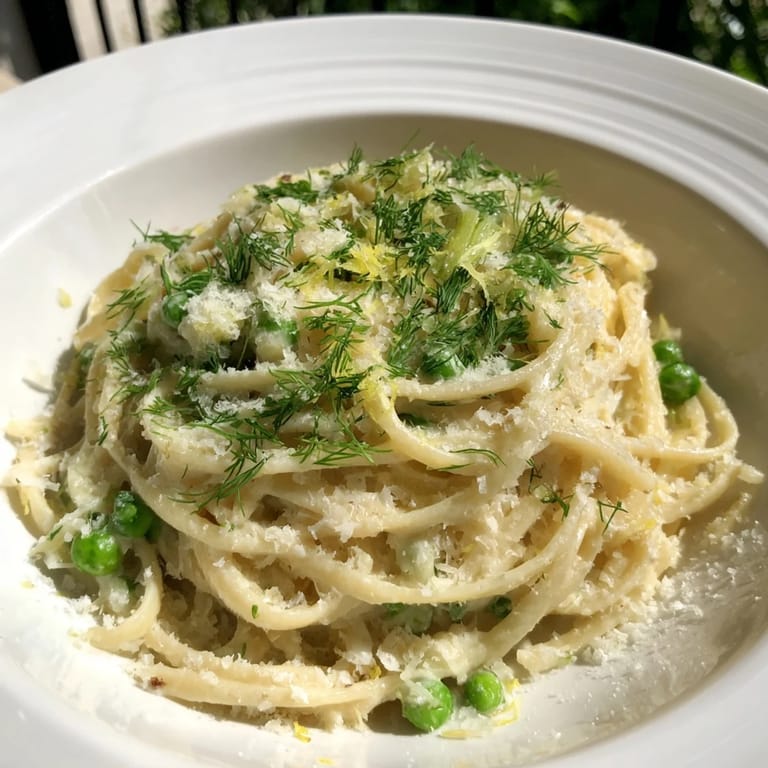
 There's something about the way fresh dill catches the afternoon light that made me fall in love with this pasta on a random Tuesday. I'd grabbed a bundle from the farmers market without a real plan, and when I got home, that bright green herb practically demanded to be paired with lemon and cream. The first time I tossed it all together, the kitchen filled with this herbaceous, citrusy steam that made me pause mid-stir—this was the kind of simple dish that didn't need anything more than good pasta and a willingness to let the flavors speak.
I made this for friends who'd just moved into their first apartment together, and watching them light up at the simplicity of it—how something so delicate could feel so generous—reminded me why I cook at all. They asked for the recipe three times before leaving, each time acting like I'd revealed some culinary mystery instead of just cream, lemon, and dill doing what they do best.
Ingredients
- Pasta (350 g): Use fettuccine, linguine, or penne—the shape just needs to cradle the sauce. I learned to always go for dried pasta here because it holds up better to the cream than fresh ever could.
- Unsalted butter (2 tbsp): This is your silent partner, the one that carries the garlic and lemon zest into something fragrant and alive.
- Garlic (2 cloves, minced): Mince it fine so it melts into the sauce rather than lurking in chunks.
- Lemon zest (from 1 lemon): This is where the magic lives—bright, sharp, and completely irreplaceable by juice alone.
- Heavy cream (200 ml): The foundation of everything silky here; don't skip it or substitute it with anything that won't behave the same way.
- Lemon juice (2 tbsp): Fresh squeezed makes all the difference, trust me on this one.
- Dijon mustard (1 tsp): A small anchor that keeps the sauce from tasting one-note, adding depth without announcing itself.
- Salt and pepper: Season as you go; this isn't the time to be shy.
- Parmesan cheese (40 g, grated): Freshly grated, not the pre-shredded kind that refuses to melt smoothly.
- Fresh dill (3 tbsp, chopped): The soul of this dish; add it at the end so it stays bright and herbaceous.
Tired of Takeout? 🥡
Get 10 meals you can make faster than delivery arrives. Seriously.
One email. No spam. Unsubscribe anytime.
Instructions
- Get your water boiling:
- Fill a large pot with water, salt it generously so it tastes like the sea, and let it come to a rolling boil. This is your foundation for perfectly cooked pasta.
- Cook the pasta:
- Add your pasta and stir it once after a minute to prevent sticking. Cook until just al dente—that moment when it's tender but still has a slight resistance when you bite it.
- Save your pasta water:
- Before draining, scoop out about half a cup of that starchy water into a mug or small bowl. This liquid gold will help your sauce cling to the pasta later.
- Start the sauce:
- While the pasta finishes, melt butter in a large skillet over medium heat. The moment it's foaming, add your minced garlic and lemon zest, and let them dance together for about a minute until the aroma hits you like a gentle reminder of why you love cooking.
- Build the creamy base:
- Pour in the heavy cream along with lemon juice and Dijon mustard, stirring constantly. Keep the heat gentle and let it simmer for two or three minutes, watching as it thickens just slightly.
- Bring in the Parmesan:
- Sprinkle in your cheese, salt, and pepper, stirring until everything melts together into something smooth and luxurious. Taste it here—this is your chance to adjust before the pasta joins the party.
- Combine:
- Add your drained pasta to the skillet and toss gently, adding splashes of pasta water until the sauce becomes silky and coats every strand. You want it glossy, not swimming.
- Finish with dill:
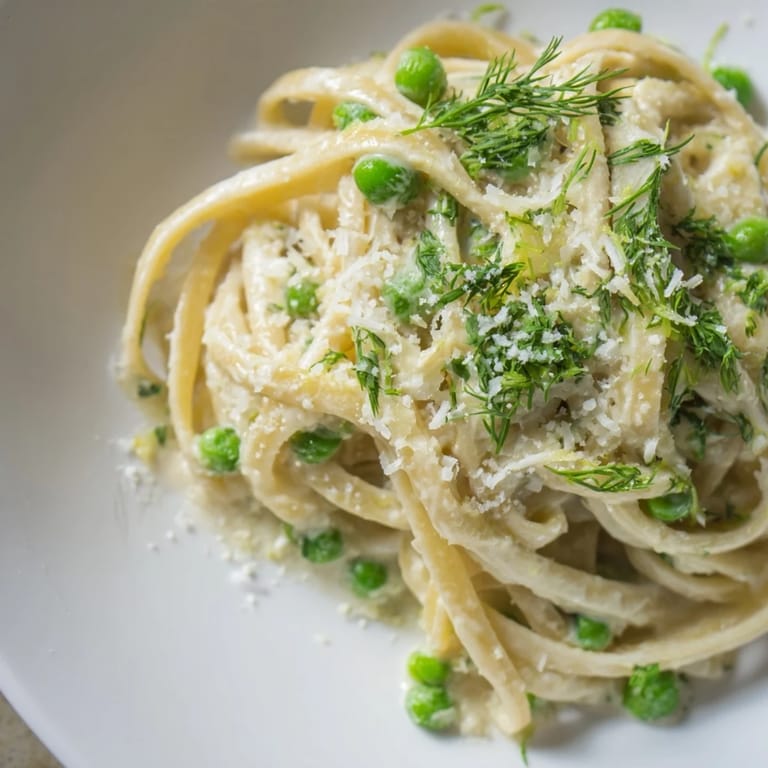
- Stir in your chopped fresh dill and any peas you're using, letting everything warm through for just a minute. Serve immediately while it's hot and the dill is still bright.
 Save Pin
 I remember standing over the stove one evening, watching the sauce come together, and realizing that this is what cooking is really about for me—taking five minutes to create something that makes people feel cared for. It's honest food without pretense.
The Fresh Dill Difference
Fresh dill is what separates this from being just another cream pasta. It brings a brightness that dried dill can never touch, a floral quality that makes you wonder why you don't use it more often. Add it at the very end so it stays vibrant and doesn't fade into the background heat. If you can't find fresh dill, this recipe honestly loses its soul—it's worth seeking out or growing a small pot on a sunny windowsill.
Playing with the Basics
The beauty of this dish is its flexibility without losing its identity. Add a handful of peas for sweetness, sauté some mushrooms or asparagus for earthiness, or if you want smoked salmon, flake it in so you're adding complexity rather than weight. Even keeping it exactly as written feels like the right call sometimes—let the simplicity be the point.
Serving Suggestions and Final Thoughts
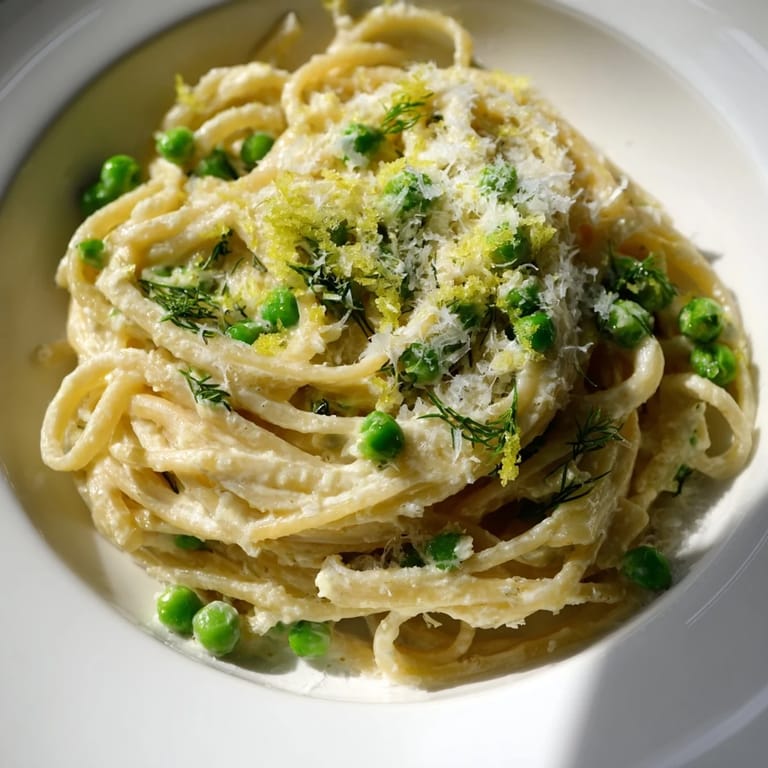
Serve this with a crisp Sauvignon Blanc that echoes the lemon, and maybe a simple green salad dressed with just olive oil and salt. The pasta should go straight from pan to plate while it's still steaming, garnished generously with more fresh dill and cracked pepper. This is the kind of meal that feels special without any fuss, the kind that reminds you why you loved cooking in the first place.
- Keep extra fresh dill on hand because you'll start seeing it in everything after this.
- Make sure your Parmesan is truly fresh and grated just before cooking for the silkiest result.
- If you're cooking for someone who's particular about their food, this dish is forgiving enough to adjust on the fly without ever feeling compromised.
 Save Pin
 This is the pasta I make when I want to feel like I've done something right with minimal effort. It's honest, it's elegant, and it proves that sometimes the best meals come from respecting simple ingredients rather than fighting them.
Recipe FAQs
- → What pasta types work best with the creamy dill sauce?
Fettuccine, linguine, or penne hold the sauce well due to their shape and texture, ensuring each bite is flavorful and creamy.
- → Can fresh dill be substituted?
Fresh dill is key for its vibrant aroma, but if unavailable, dried dill can be used sparingly to avoid overpowering flavors.
- → How can the sauce consistency be adjusted?
Reserved pasta water can be added gradually to loosen the sauce and achieve a silky texture without thinning out the flavor.
- → Are there vegetarian options included?
Yes, smoked salmon is optional; omitting it keeps the dish vegetarian and enhances focus on the fresh herbs and creamy sauce.
- → What wine pairs well with the dish?
A chilled Sauvignon Blanc complements the fresh lemon and dill notes, highlighting the light and creamy characteristics.